Latest data recently released by the China Association of Automobile Manufacturers (CAAM) shows that China’s auto exports are expected to exceed 10 million units this year. While export volume keeps expanding, new energy vehicles (NEVs) have become a key driver fueling the growth of China’s automobile exports. Shifting from “selling in large quantities” to “developing steadily and sustainably”, Chinese automakers are accelerating their global expansion.
PART 1
By the Numbers: Racing Toward the 10-Million-Unit Milestone
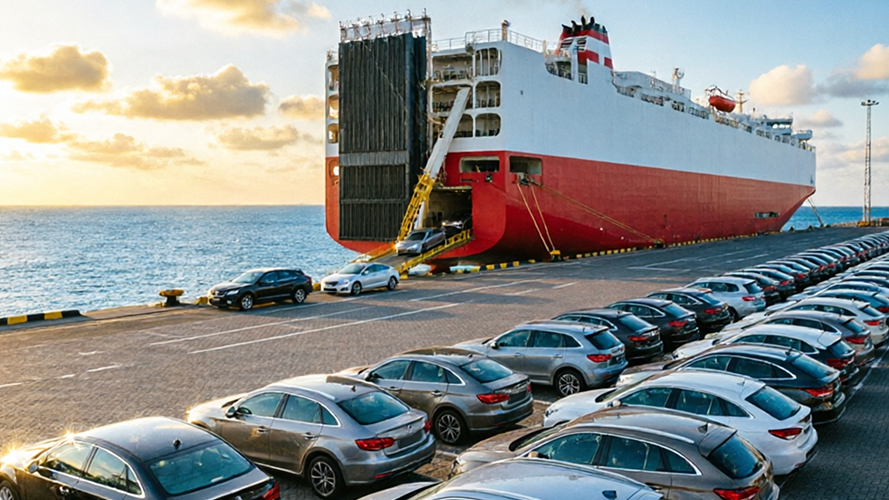
Latest data from the China Association of Automobile Manufacturers (CAAM) shows that China exported 8.205 million vehicles from January to September, a year-on-year increase of 65.8%. Auto exports are projected to surpass 10 million units for the full year. Since the start of this year, exports from multiple Chinese independent auto brands have maintained robust growth.
Chery GroupIt posted a cumulative export volume of 1.5512 million units in the first three quarters, representing a year-on-year rise of 65.6%. It firmly ranks first among Chinese automakers by export volume, with exports accounting for over 70% of its total sales.
BYDIts overseas sales reached approximately 1.3378 million units over the same period, a nearly 90% year-on-year surge. Driven by its new energy lineup, BYD has expanded rapidly in markets including Brazil, Thailand and the United Kingdom, taking the second spot in export rankings. Meanwhile, the reach of China’s auto exports keeps broadening. Europe, South America, Southeast Asia and the Middle East have emerged as major export destinations.
PART 2
By Structure: NEVs, the Strongest Growth Engine
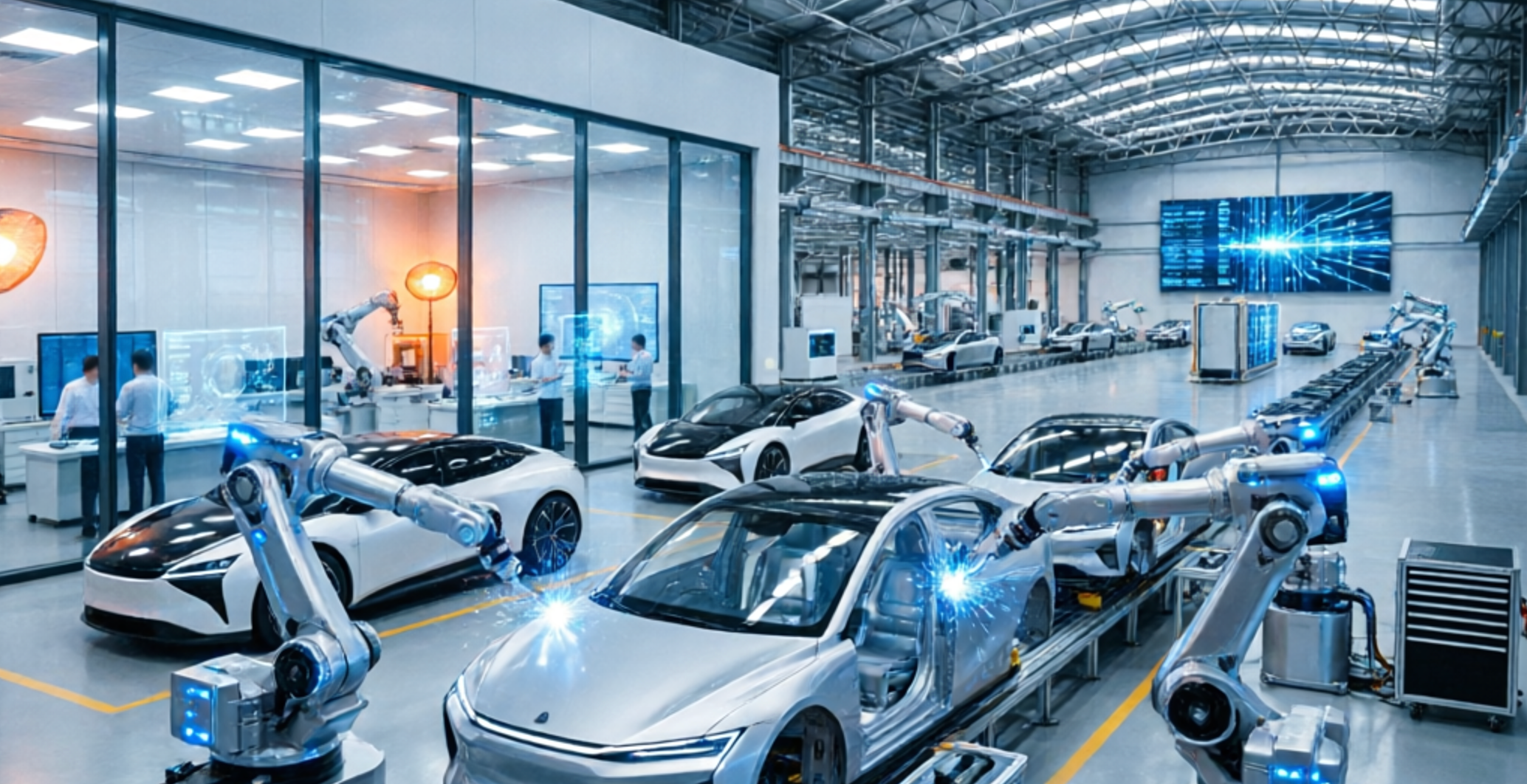
New energy vehicles (NEVs) are emerging as a vital engine of export growth. Between January and September this year, China exported 4.006 million NEVs, a 130% year-on-year increase. Since June, NEVs have accounted for more than 50% of monthly auto exports for four consecutive months. The rapid growth of NEV exports demonstrates that Chinese automakers are leveraging their technological strengths in electrification and intelligence to continuously tap into global markets.
PART 3
By Model: From Exporting Products to Building Local Industrial Footprints
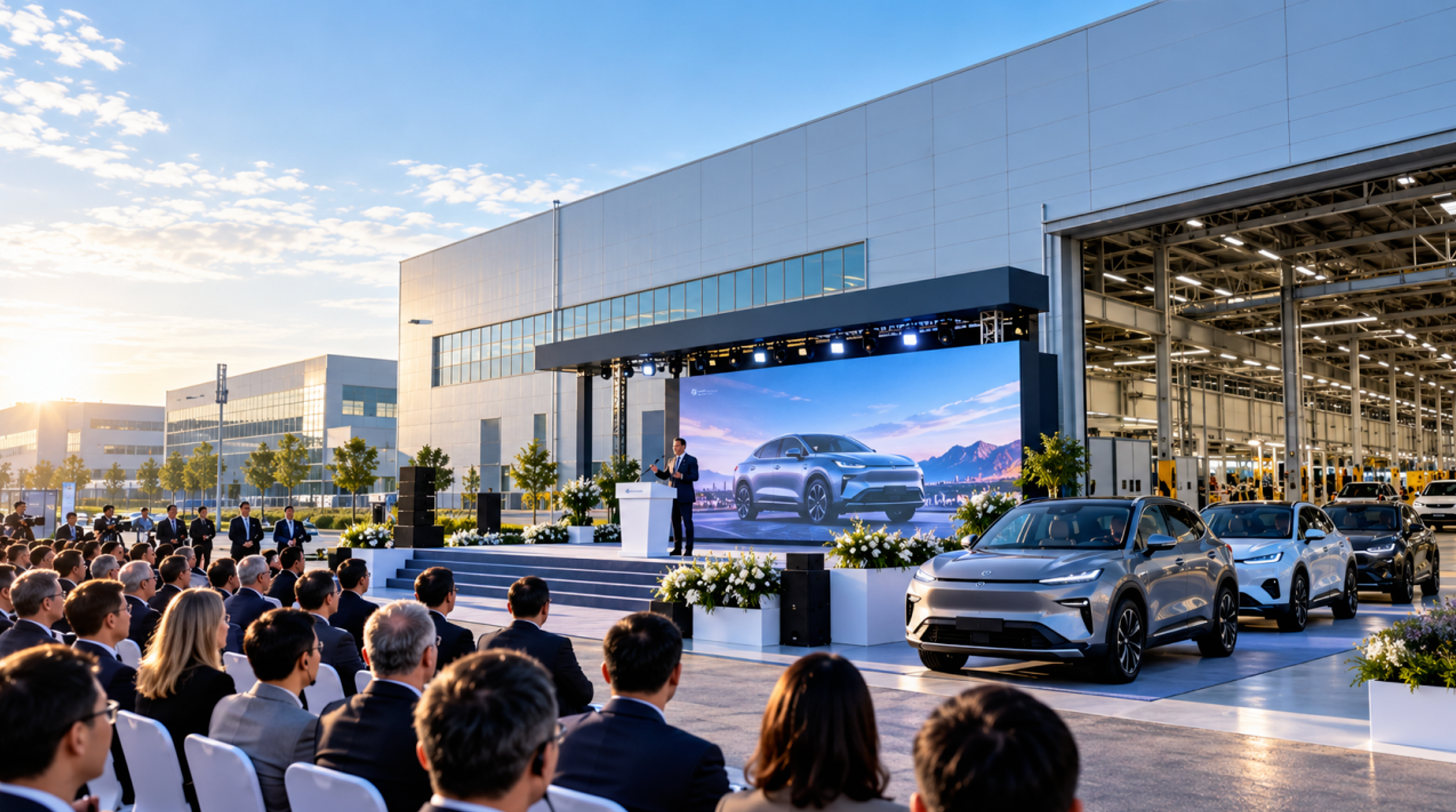
Deep Localization: GAC GroupHaving cultivated the European market for eight years, GAC recorded nearly 200,000 overseas deliveries in the first three quarters of this year, surging by 138.9% year on year. Its year-on-year growth rate has topped 100% for nine consecutive months.“Heading into Europe, our strategy has gone far beyond simply selling vehicles. We are shifting toward localized and systematic operations,” said He Xianqing, General Manager of GAC Group. “We plan to set up an R&D center in Europe, where product definition and development will be carried out locally.”
Expanding Global Footprint: Geely AutoGeely Auto has announced its entry into the Canadian market. It will build local teams and establish retail and service networks, with the first batch of models scheduled for launch in 2027.From market expansion and service network development to manufacturing layout, Chinese automakers are steadily deepening their global operations. Industry experts note that China’s auto industry is accelerating its transition from “exporting products” to “establishing local industrial roots”.
“Product exports bring orders, while industrial rooting secures the future. At its core, this transformation involves the export of systematic industrial hard power on one hand, and the export of brand and cultural soft power on the other. Moving from ‘Chinese products for global markets’ to ‘global layout and global brands’ is an inevitable path for the high-quality development of China’s automotive industry.”
Chinese independent auto brands must continuously strengthen technology and quality to lay a solid foundation for global competition. Meanwhile, they need to step up brand building and elevate the international influence of Chinese brands.
Enterprises should not regard volume growth as their sole objective. Instead, greater focus should be placed on quality improvement, shifting from “selling in large quantities” to “developing steadily and sustainably”. It is essential to deepen localized layout and operations, pursue mutual benefit and win-win cooperation with local markets, improve customer service systems, and steadily enhance the global value of Chinese brands.




 Pусский
 Français
 العربية
 中文



 Phone
Comment
(0)